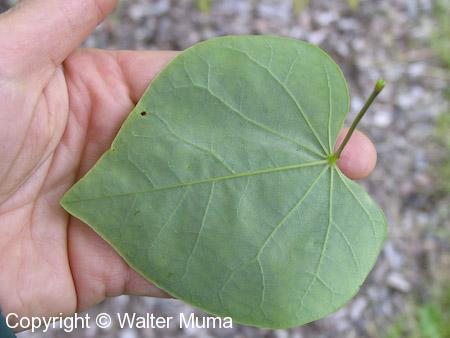
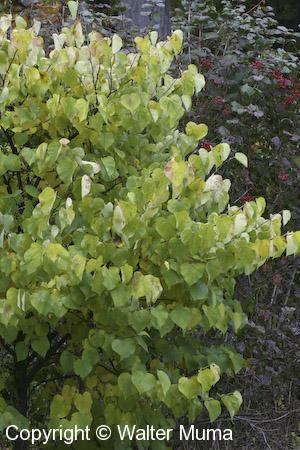
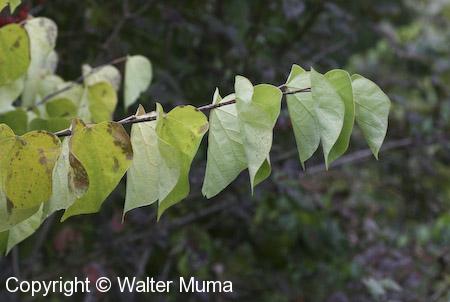
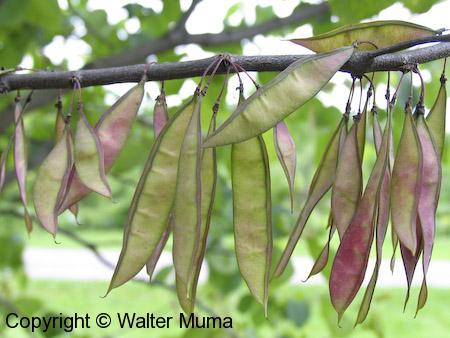
Other common names:
Canadian Redbud, Eastern Redbud, Judas Tree French names:
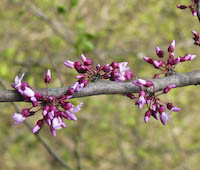
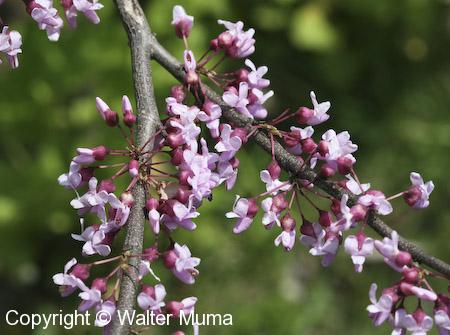
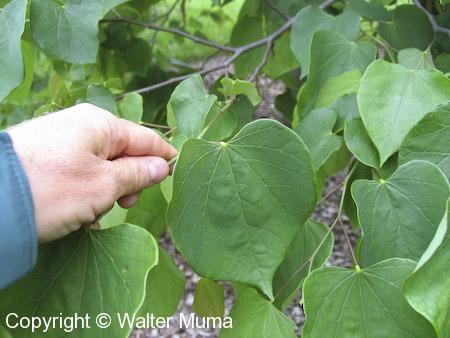
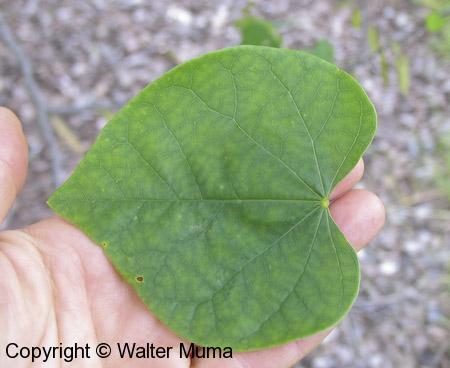
Gainier rouge Family: Legume Family (Fabaceae) Distinctive features: Tree, Shrub Similar species: • Black Locust (Robinia pseudoacacia) - Has larger seed pods; stubby thorns. • Honey Locust (Gleditsia triacanthos) - Has very large seed pods; large wicked thorns. Flowers: Spring; Red/Pink; Irregular flowers Leaves: Alternate, Simple, Entire; Alternate, simple. Height:
8 m (26 ft) Habitat: Forests, Fields and Open Areas; Open places in forests. Books: Trees in Canada: 400 Newcomb's Wildflower Guide: 104 Native/Non-native:
Native Status:
Uncommon.
Notes:
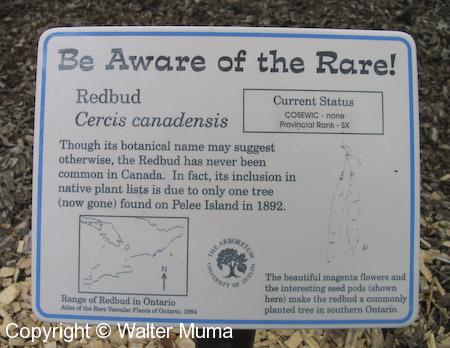
This tree will only be found growing naturally in SW Ontario, although it is planted farther north and east.
Origin and Meaning of Names:
Scientific Name: canadensis: of Canada Photographs:
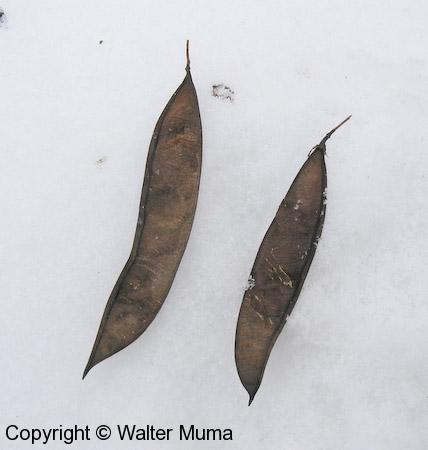
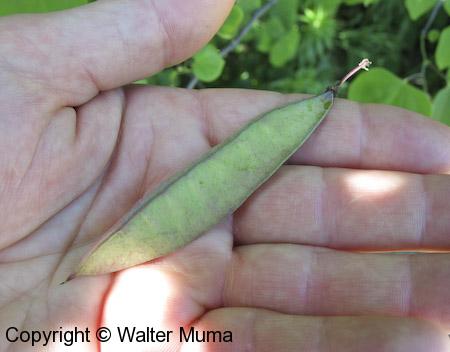
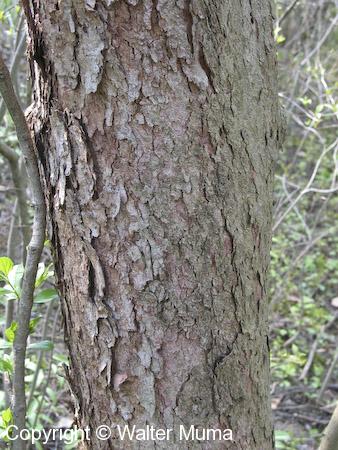
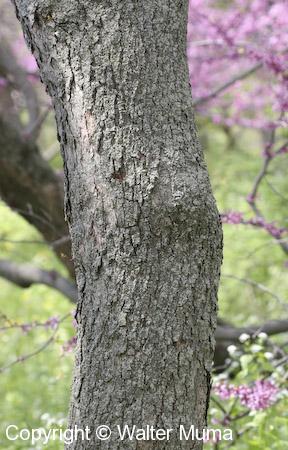
129 photographs available, of which 13 are featured on this page. SCROLL DOWN FOR PHOTOGRAPHS.